A comfortable home depends on strong building materials, proper ventilation, and effective protection against unwanted moisture. Unfortunately, dampness can gradually develop behind furniture, beneath flooring, or within walls before homeowners recognise the warning signs. Discoloured plaster, musty smells, and damaged paintwork may indicate moisture problems requiring professional attention. Choosing suitable Damp Proofing Manchester solutions can help property owners understand these concerns and take practical steps to prevent further deterioration. Protecting a building from dampness is not simply about improving its appearance but also about maintaining its condition and everyday comfort.
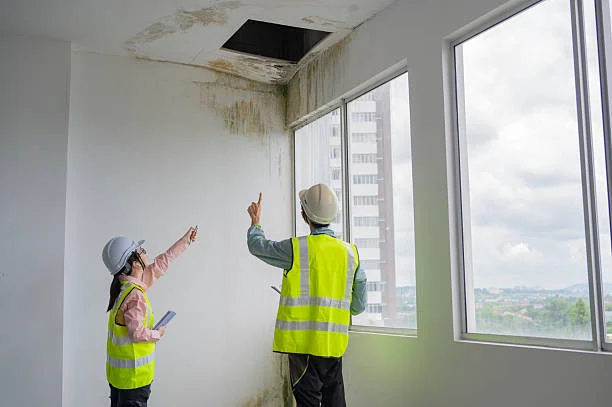
Reliable Damp Proofing Manchester specialists can investigate moisture problems and recommend treatments suited to the construction and condition of each property. Manchester has many different building styles, ranging from older terraced houses to contemporary apartments. These buildings may respond differently to environmental moisture, especially when ventilation, insulation, and drainage systems vary. A detailed inspection is therefore essential for identifying the source of dampness before repairs begin.
One major cause of moisture damage is penetrating damp, which occurs when water enters a property through defective external components. Damaged roof tiles, cracked brickwork, deteriorating mortar, and blocked gutters can allow rainwater to reach internal surfaces. Homeowners may notice dark patches on walls or ceilings after prolonged rainfall. Regularly inspecting roofing and drainage systems can help identify vulnerable areas. Repairing external defects promptly is often an effective way to reduce water penetration.
Rising damp is another potential concern in certain buildings. This condition develops when groundwater moves upward through porous masonry, particularly where an effective damp-proof course is missing or compromised. Common symptoms may include damaged plaster, staining near floor level, and deterioration of skirting boards. However, these signs are not exclusive to rising damp, making accurate assessment important. Appropriate treatment should address the confirmed source of moisture rather than relying on assumptions.
Condensation is particularly common in rooms where indoor humidity remains high. Cooking, showering, and drying laundry release water vapour that may settle on colder surfaces. Poor ventilation and inadequate insulation can increase condensation, creating conditions that encourage mould growth. Improving airflow through extractor fans and suitable ventilation, maintaining consistent heating, and addressing cold surfaces can help reduce excessive moisture accumulation.
Preventive maintenance is an important part of responsible property ownership. Gutters should remain clear, plumbing connections should be checked for leaks, and exterior surfaces should be maintained regularly. Homeowners should also pay attention to changes in indoor humidity and investigate persistent damp patches rather than covering them with fresh paint. Addressing small defects early can prevent more expensive repairs later.
Selecting an experienced damp specialist requires careful consideration. Clear inspection reports, transparent pricing, and explanations of proposed treatments can help homeowners understand their options. A dependable contractor should focus on identifying underlying problems and recommending proportionate solutions.
Long-term damp protection is achieved through accurate diagnosis, timely repairs, and ongoing maintenance. By keeping buildings properly ventilated and addressing moisture sources before they become severe, property owners can maintain attractive interiors and protect important structural materials. These practical measures contribute to comfortable living conditions and help preserve the value and durability of Manchester properties.